Author: The Heyrent Team•March 20, 2026
Polish Christmas Traditions – A Complete List of Christmas Eve Customs
Christmas Eve and Christmas Day are a special time in Poland, deeply rooted in tradition. For many of us, it’s the most important time of the year, filled with warmth, family reconciliation, and beautiful customs passed down from generation to generation. If you want to learn more about the richness of Polish culture, take a look at our Christmas traditions. Find out what the 12 dishes on Christmas Eve symbolize, why we leave an empty place at the table, and what the solemn Midnight Mass is all about.
Christmas Eve – an Evening of Hope and Reconciliation
Christmas Eve (December 24) is a festive day in the Polish calendar. Unlike in many Western countries, in Poland it is Christmas Eve that traditionally precedes Christmas Day.
The most important Christmas Eve traditions - symbolism and atmosphere:
- An empty place at the table: This is one of the most beautiful Christmas Eve traditions. You set an extra place setting for an unexpected guest. It symbolizes remembrance of those who are absent and a willingness to welcome those in need.
- The First Star: The family sits down to dinner when the first star appears in the sky. It refers to the Star of Bethlehem, heralding the birth of Jesus.
- Sharing the Christmas wafer: The key moment of the evening. Before you begin the meal, you share the Christmas wafer with your loved ones, exchanging wishes. It is a sign of kindness and forgiveness.
- Hay under the tablecloth: A handful of hay is placed under the white tablecloth as a reminder of the poverty in which Christ was born.

12 Dishes for Christmas Eve – Holy Fasting and the Taste of Tradition
Christmas Eve is a day of fasting, so in the evening you eat only meatless dishes. Traditionally, 12 dishes are prepared, symbolizing the twelve apostles. In the past, it was believed that tasting each dish would bring good luck in the new year.
List of traditional Christmas Eve dishes:
- Red borscht with dumplings: A classic soup with small dumplings stuffed with mushrooms.
- Carp (fried or in aspic): A fish deeply rooted in Polish tradition.
- Cabbage with peas: A hearty Lenten dish.
- Dumplings with cabbage and mushrooms: A must-have at dinner, symbolizing the bounty of the forest.
- Noodles with poppy seeds: Served sweet, often with honey and dried fruit.
- Kutia: A dish made with wheat, poppy seeds, and honey, particularly popular in eastern Poland.
- Mushroom soup: An aromatic alternative to borscht.
- Herring: Served in oil or cream.
- Dried fruit compote: A drink made from dried fruit that aids digestion.
- Fried fish: Often served as a second fish course alongside carp (e.g., zander).
- Vegetable salad: A Lenten version, without meat.
- Cakes: Mainly poppy seed cake (a symbol of good fortune) and gingerbread with nuts. Honey-glazed challah also appears on the table.

Midnight Mass and the Holiday Season
After dinner, many Polish people go to church for a midnight service.
Midnight Mass and caroling:
- Midnight Mass is a service celebrated on the night of December 24–25, usually at midnight. It commemorates the shepherds who were the first to visit the newborn Christ. This is a time for singing Christmas carols together, a tradition in Poland that lasts until February 2. You’ll have the chance to discover many old, traditional songs that you’ll hear both in churches and in homes.
Christmas Day and Boxing Day:
- Christmas Day (December 25): On this day, the fast ends. Tables are laden with meat dishes. It’s a time for resting at home, visiting loved ones, and exchanging gifts.
- St. Stephen’s Day (December 26): The second day of Christmas is a time for visiting extended family and friends. It’s a less formal occasion for feasting together.

How People in Poland Prepare for Christmas – Practical Tips
Preparing for Christmas is a busy but special time. Homes are filled with the scent of gingerbread, carols play in the background, and snow crunches underfoot as you search for the perfect Christmas tree. These are the moments that set the festive mood even before Christmas Eve dinner.
- Gifts: They are usually handed out after Christmas Eve dinner. It’s a much-anticipated moment, especially for children, who often listen for bells or look for signs of Santa Claus.
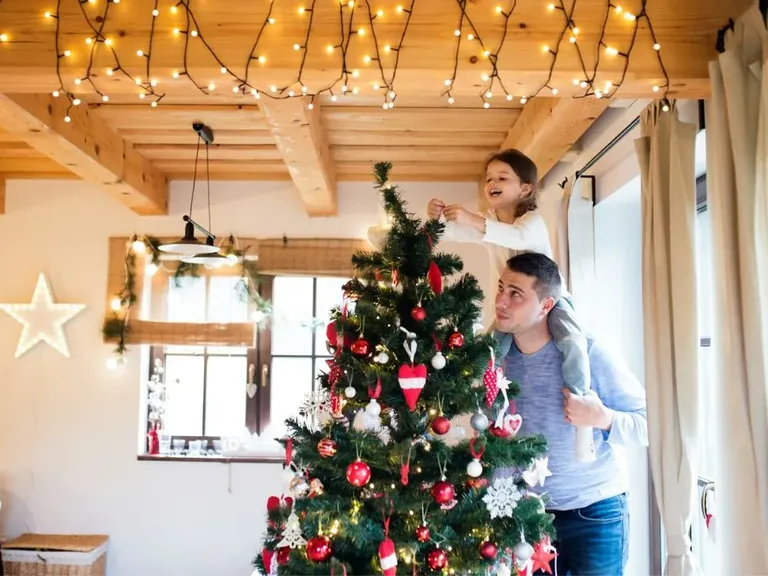
- Christmas tree: Decorating the tree often takes place on the morning of December 24. You hang a star or an angel at the top. The lit-up Christmas tree becomes the centerpiece of the home.
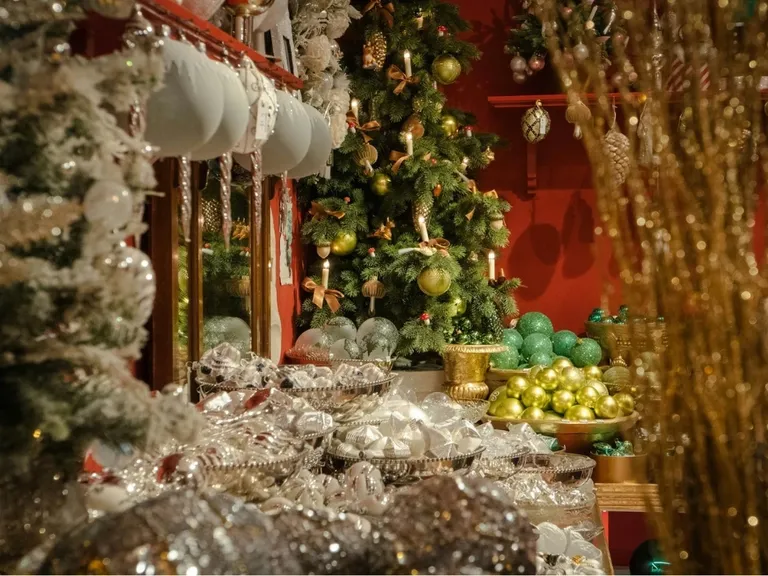
- Decorations: Natural decorations dominate: fir branches, paper ornaments, and candles. You’ll often see arrangements featuring oranges and cinnamon.
- Nativity scenes: An important decorative element depicting a stable. The colorful Cracow nativity scenes, listed as a UNESCO World Heritage Site, are particularly well-known. They serve as a reminder of tradition and add a family-oriented atmosphere to the holidays.

Polish Christmas traditions create a unique atmosphere and are an integral part of our identity. It’s a time to cherish family togetherness.
If you’re planning to spend the holidays away from home this year, check out the apartments on Heyrent.com. In a comfortable space, you’ll feel the spirit of a Polish Christmas - you can decorate the tree, prepare meals, and enjoy peace and quiet with your loved ones.




-768x576.webp)